
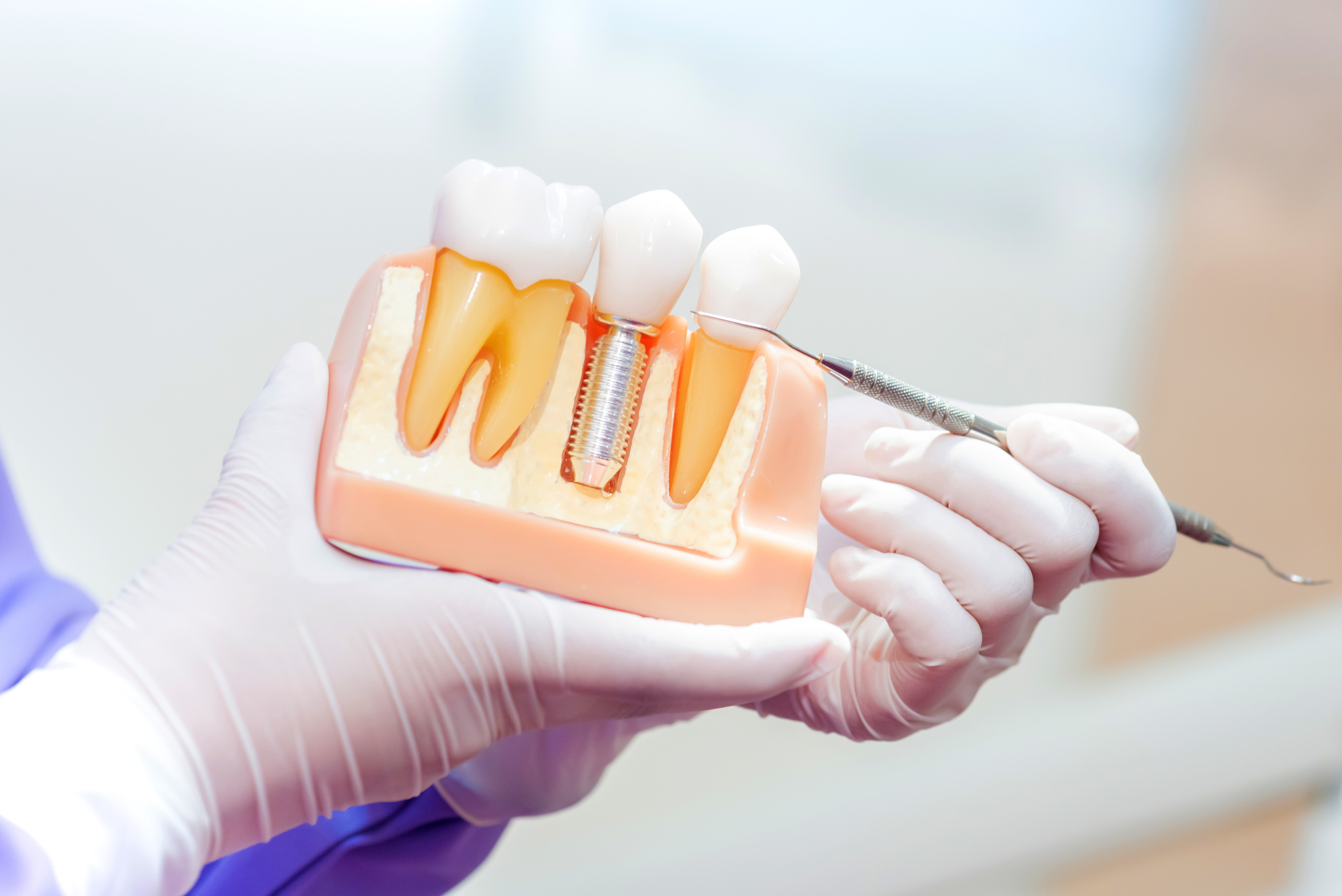
If you’re preparing for a dental implant or have recently had one placed, you probably have questions about what recovery will feel like. How long will you need to take it easy? When can you eat normally again? While most patients can return to light activities within a few days, the implant itself needs several months to fully integrate with the surrounding bone. Knowing what to expect along the way can make the recovery process feel a little less uncertain.
At Nov Dental in Glendale, we help patients prepare for each stage of healing through our restorative dentistry services. From managing discomfort during the first few days to understanding when your final crown may be placed, we’ll walk through what recovery typically involves and which changes are worth bringing to your dentist’s attention.
The First 72 Hours After a Dental Implant Placement
Some swelling and tenderness are normal during the first few days after getting a single-tooth dental implant. You may also notice a little bleeding or oozing around the surgical site. Swelling often peaks around the second or third day before gradually improving. Using a cold compress during the first 24 hours and taking any prescribed medications as directed can help manage discomfort.
Most people notice their discomfort gradually improving after the first few days. It’s best to avoid strenuous exercise during this time and allow yourself some extra rest. If bleeding doesn’t slow down, pain worsens instead of improving, or you develop a fever, contact your dentist promptly to ensure healing is progressing as expected.
Daily Habits That Protect Healing
What you do at home during the first few weeks can affect how comfortably your implant heals. Your dentist will give you specific aftercare instructions, but some general recommendations include:
- Stick to soft foods: Choose foods like scrambled eggs or oatmeal, and avoid chewing near the implant site. Let hot foods cool before eating.
- Rinse gently: Once your dentist says it’s safe, use warm saltwater to rinse after meals without swishing forcefully.
- Be careful when brushing: Continue cleaning your other teeth as usual, but follow your dentist’s instructions for brushing around the surgical area.
- Avoid tobacco and straws: Smoking can interfere with healing, and using a straw too soon after surgery may disturb the surgical site.
Following these steps can help protect the area while your gums heal and the implant begins bonding with the surrounding bone.
How Your Implant Heals Over the Next Few Months
After the initial swelling subsides, the surrounding bone gradually bonds with your implant through a process called osseointegration. A 2023 research review explains how new bone forms and matures around the implant in stages. This typically takes several months, even if your mouth feels normal much sooner.
Your healing timeline depends on your bone health, implant location, and whether a bone graft was needed. At Nov Dental, we use CBCT imaging to get a detailed 3D view of your jawbone and help plan treatment. We’ll also monitor your healing to determine when your implant is ready for the final crown.
What to Expect When Placing Your Final Crown
Once your implant has bonded with the bone, your dentist may attach a small connector called an abutment and take a digital scan or impression to create your custom dental crown. The goal is a crown that fits comfortably and matches your surrounding teeth.
This step is usually less involved than the initial surgery, though your gums may feel tender afterward. Small bite adjustments are sometimes needed, so let your dentist know if the crown feels too high or uncomfortable when chewing.
Caring for Your Dental Implant Long-Term
Dental implants can’t develop cavities, but the gums and bone supporting them still need regular care. Brushing twice a day and cleaning around your implant with floss or interdental brushes can help prevent plaque buildup. During your regular dental checkups, your dentist can also check for signs of inflammation and make sure your crown is holding up well.
If you grind or clench your teeth, the extra pressure can affect your implant crown over time. A night guard may help reduce that strain, especially if you regularly wake up with jaw soreness or headaches. Let your dentist know if you notice these symptoms or any changes in how your implant feels when you bite.
Plan Your Implant Recovery With Nov Dental
Every dental implant recovery looks a little different, and it’s natural to have questions about how long healing will take. At Nov Dental in Glendale, Dr. Ellen S. Oh and our team take the time to explain what to expect before and after your procedure. From your first few days of recovery to the placement of your final crown, we want you to feel comfortable asking questions and understanding your next steps.
If you’re considering a dental implant or have questions about the healing process, we’d be happy to talk with you. Our team speaks Spanish, Mandarin, Korean, and Tagalog, and we offer financing options to help make treatment more manageable. Contact our team to schedule a consultation and learn what your own treatment timeline might look like.